
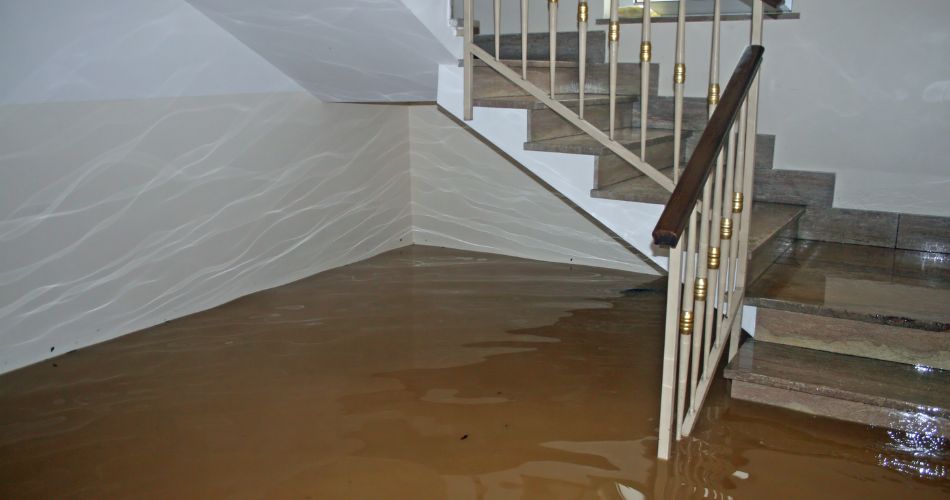
When floodwater finally drains away, it can feel like the worst part is over. You can see your floors again, move around your home, and start thinking about cleaning up and getting life back to normal
But flooding does not always end when the water disappears.
Water can get into places you cannot easily see, including walls, floors, insulation, cabinets, and other parts of your home. Some of the damage may not show up for days or even weeks. If it is not found and addressed early, a home that looks fine on the surface can develop bigger and more expensive problems later.
Understanding what can happen after a flood can help homeowners know what to look for and when to get professional help.
Hidden Moisture Can Stay Behind
One of the biggest problems after flooding is moisture that remains hidden. Even after standing water has been removed, water can soak into drywall, wood, flooring, and insulation.
These materials can hold moisture for a long time. A wall may look dry on the outside while still being damp inside. The same can happen underneath flooring or behind cabinets
This hidden moisture creates the perfect conditions for additional damage. It can also be difficult to find without proper moisture-detection equipment. That is why simply drying the visible areas of your home may not be enough after a serious flood.
Mold Can Start Growing
Mold is another concern that can appear after floodwater is gone. Mold grows when moisture and humidity remain high, and it can begin developing in damp areas relatively quickly.
At first, you may notice a musty smell rather than visible mold. Later, you might see dark spots or patches on walls, ceilings, floors, or furniture. Mold can also grow in hidden areas where you may not notice it right away.
Once mold becomes established, cleaning the visible surface may not solve the problem. The source of the moisture needs to be addressed, and affected materials may need to be properly cleaned, dried, or removed.
Wood Can Swell, Warp, or Weaken
Wood absorbs water, which means flooding can affect everything from hardwood floors to wall framing and cabinets.
At first, the damage might only look like swelling or slight warping. Over time, however, prolonged moisture can cause wood to weaken or deteriorate. Doors may stop closing properly, floors can buckle, and cabinets may become difficult to use.
Wood does not always return to its original condition simply because it dries. How long it stayed wet, how much water it absorbed, and the type of water involved can all affect the outcome.
Your Floors May Develop Problems Later
Floodwater can cause damage below your feet as well as above them. Water can seep underneath flooring materials and become trapped between layers.
Hardwood floors may warp or buckle. Laminate flooring can swell and separate. Even tile floors can have problems if water gets into the materials underneath.
A floor that looks acceptable immediately after a flood may begin changing as the trapped moisture affects the subfloor. In some cases, sections of flooring may need to be removed so the area underneath can be properly dried and inspected.
Electrical and Plumbing Systems May Be Affected
Floodwater can also reach parts of your home’s electrical and plumbing systems. Electrical outlets, wiring, appliances, and other equipment exposed to water may not be safe to use without proper inspection.
Even if everything appears to be working normally, water exposure can create problems that develop later. Damaged wiring or electrical components should be evaluated by a qualified professional before they are used again.
Plumbing systems can also be affected, particularly if floodwater carries dirt or other contaminants into areas around pipes and fixtures.
Insulation Can Hold Moisture
Insulation is another part of a home that can be easily overlooked after flooding. Depending on the type of insulation and the amount of water involved, it can absorb or retain moisture.
Wet insulation can take a long time to dry, especially when it is inside walls or other enclosed spaces. If it remains damp, it can contribute to mold growth and other moisture-related problems.
Sometimes, the only way to determine the condition of insulation is to open an affected area for inspection. Acting early can help prevent a small wet area from becoming a larger restoration problem.
Unpleasant Odors Can Linger
A flood can leave more than visible damage behind. Even after the water is removed, unpleasant odors may remain.
Musty smells can come from damp drywall, wood, carpet, padding, insulation, or other materials that have absorbed water. Cleaning the surface may temporarily reduce the smell, but if moisture remains underneath, the odor can return.
Getting rid of the source of the moisture is usually an important part of getting rid of the smell for good.
Small Problems Can Become Expensive Repairs
One of the biggest reasons to take post-flood damage seriously is that small issues can become much larger over time.
A damp section of drywall might eventually develop mold. A slightly swollen floor could buckle further. Moisture inside a wall could damage wood or insulation. What begins as a small restoration job can turn into a much more involved repair if the problem is left untreated.
This is why a thorough inspection after flooding can be worthwhile, even when your home appears to have dried out.
What Homeowners Should Do After a Flood
Once it is safe to enter your home, focus on documenting the damage and identifying areas that may still contain moisture. Take photos and contact your insurance company if appropriate. Avoid using electrical equipment or entering areas that may be unsafe until they have been checked.
It is also important not to assume that everything is fine just because there is no longer standing water. Professional water damage restoration specialists can inspect affected areas, locate hidden moisture, and use appropriate drying equipment to help prevent further damage.
The sooner moisture problems are identified, the more options you may have for saving affected materials and limiting additional repairs.
Getting Help With Water Damage Restoration
Flood damage can continue affecting your home long after the water has disappeared. Hidden moisture, mold, damaged wood, flooring problems, lingering odors, and affected insulation can all create challenges if they are not addressed properly.
If your home has been affected by flooding, Silver Lining Property Restoration can help assess the damage and guide you through the restoration process. Professional attention can help uncover problems that are easy to miss and get your home on the path toward a safe, dry, and comfortable living space again.