
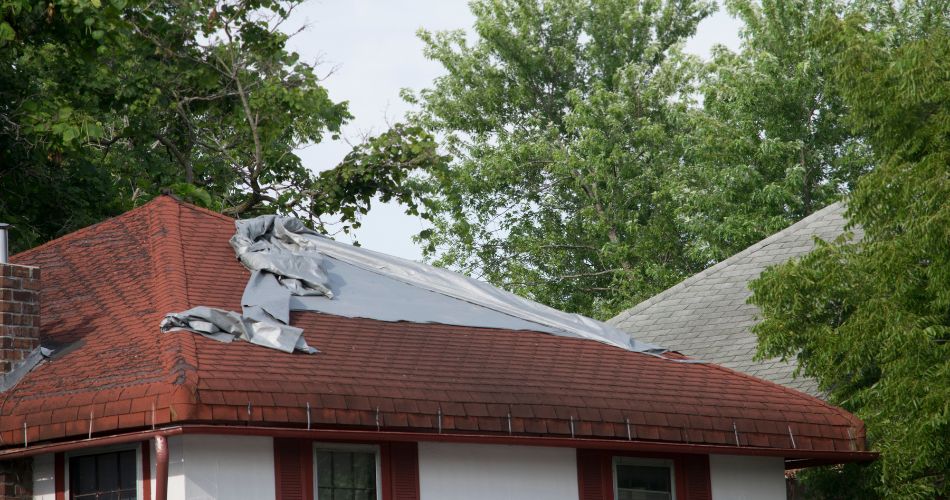
Strong winds can do more damage to a home than many homeowners realize. A storm does not always leave behind obvious destruction like a fallen tree or broken window. Sometimes, wind damage is small at first and becomes a much bigger problem over time. Loose shingles, damaged siding, or water getting into the attic may not seem urgent, but ignoring these warning signs can lead to costly repairs.
Knowing what to look for after a windy day or severe storm can help you catch problems early. Here are some common signs of wind damage that homeowners should never ignore.
Missing or Damaged Roof Shingles
The roof is one of the parts of your home most exposed to strong winds. High winds can lift, loosen, crack, or completely remove shingles. Even if only a few shingles are affected, your roof may no longer be fully protected from rain and moisture.
After a storm, take a look at your roof from the ground. If you notice missing shingles or pieces of roofing material in your yard, it is a good idea to have the roof inspected. Avoid climbing onto the roof yourself, especially if it is wet or damaged. A professional can safely check for problems that may not be easy to see from the ground.
Loose or Damaged Siding
Strong winds can also affect the siding on your home. You may notice panels that are loose, cracked, bent, or pulled away from the wall. In some cases, parts of the siding may be completely missing.
Damaged siding can leave areas of your home exposed to rain, wind, and moisture. If water gets behind the siding, it can eventually cause problems with insulation, drywall, framing, or even mold. What looks like a small cosmetic issue may turn into a much more serious repair if it is left alone.
Broken or Cracked Window
Flying branches, roof materials, and other debris can damage windows during a storm. Sometimes the damage is obvious, such as shattered glass. In other cases, you may only notice a small crack or a damaged window frame.
Do not ignore even minor window damage. Cracks can become larger, and damaged seals or frames may allow air and water to enter your home. If you notice broken glass, keep people and pets away from the area and arrange for repairs as soon as possible.
Water Stains on Ceilings or Walls
One of the most important signs of storm-related damage is water inside your home. If you notice brown or yellow stains on the ceiling or walls after strong winds, there may be a leak somewhere above or around the affected area.
Wind can damage shingles, flashing, vents, and other parts of the roof, allowing rain to enter. Sometimes the leak does not appear immediately. Water may slowly travel through the roof, insulation, or walls before you notice a stain.
Do not simply paint over a water mark. The source of the moisture needs to be found and repaired first. Otherwise, the problem can continue behind the surface and cause more extensive damage.
Damaged Gutters and Downspouts
Gutters and downspouts can take a beating during a windstorm. Check for gutters that are hanging, bent, separated from the roofline, or filled with unusual amounts of debris. Downspouts may also become loose or disconnected.
Your gutter system plays an important role in directing rainwater away from your home. When it is damaged, water can collect around the foundation or run down exterior walls. Over time, this can contribute to water damage, soil erosion, and foundation problems.
Fallen Trees and Damaged Branches
A fallen tree is an obvious sign of storm damage, but damaged trees can also be a hidden concern. Large branches that are cracked, hanging, or partially broken may still fall after the storm has passed.
Check the trees around your property for signs of damage, especially near the roof, driveway, power lines, and other structures. If a large branch or tree looks unstable, keep your distance and contact a qualified professional to handle it safely.
Damaged Fences and Outdoor Structures
Wind can also damage fences, sheds, decks, patios, and other outdoor structures. Look for leaning fence sections, broken posts, loose boards, damaged roofing, or structures that have shifted from their original position.
These problems may seem less important than damage to your main home, but they can create safety risks and may become worse during the next storm. A damaged shed roof or loose fence panel can also become dangerous debris if another strong wind event occurs.
Strange Sounds or Drafts Inside the Home
Sometimes wind damage is not easy to see. If you hear unusual whistling, rattling, or banging sounds after a storm, there could be a loose roofing material, window, vent, or siding panel.
You may also notice new drafts around windows, doors, or ceilings. These changes can indicate that part of your home’s exterior is no longer properly sealed. Paying attention to these small changes can help you find a problem before it causes more serious damage.
Why You Should Act Quickly
Wind damage does not always stop causing problems once the storm ends. A small opening in the roof can allow rainwater to enter during the next storm. A loose shingle can lead to additional roofing damage. Moisture that gets inside walls or ceilings can also create conditions for mold and rot.
The sooner damage is identified, the easier it may be to prevent the problem from spreading. If you suspect your home has suffered wind damage, have the affected areas inspected and documented. Taking photos can also be helpful when keeping records of the damage.
Get Professional Help After Wind Damage
It is easy to overlook small signs of damage after a storm, especially when everything seems fine at first. However, checking your home carefully can help you catch problems before they become expensive or dangerous.
If you notice signs of wind or storm damage, consider contacting a professional property restoration company for an inspection and assistance with the cleanup and repair process. Silver Lining Property Restoration can help homeowners address property damage and take the necessary steps toward getting homes back in good condition. Contact us today to get started.